

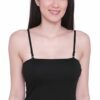
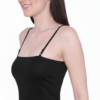
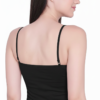
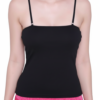

Description
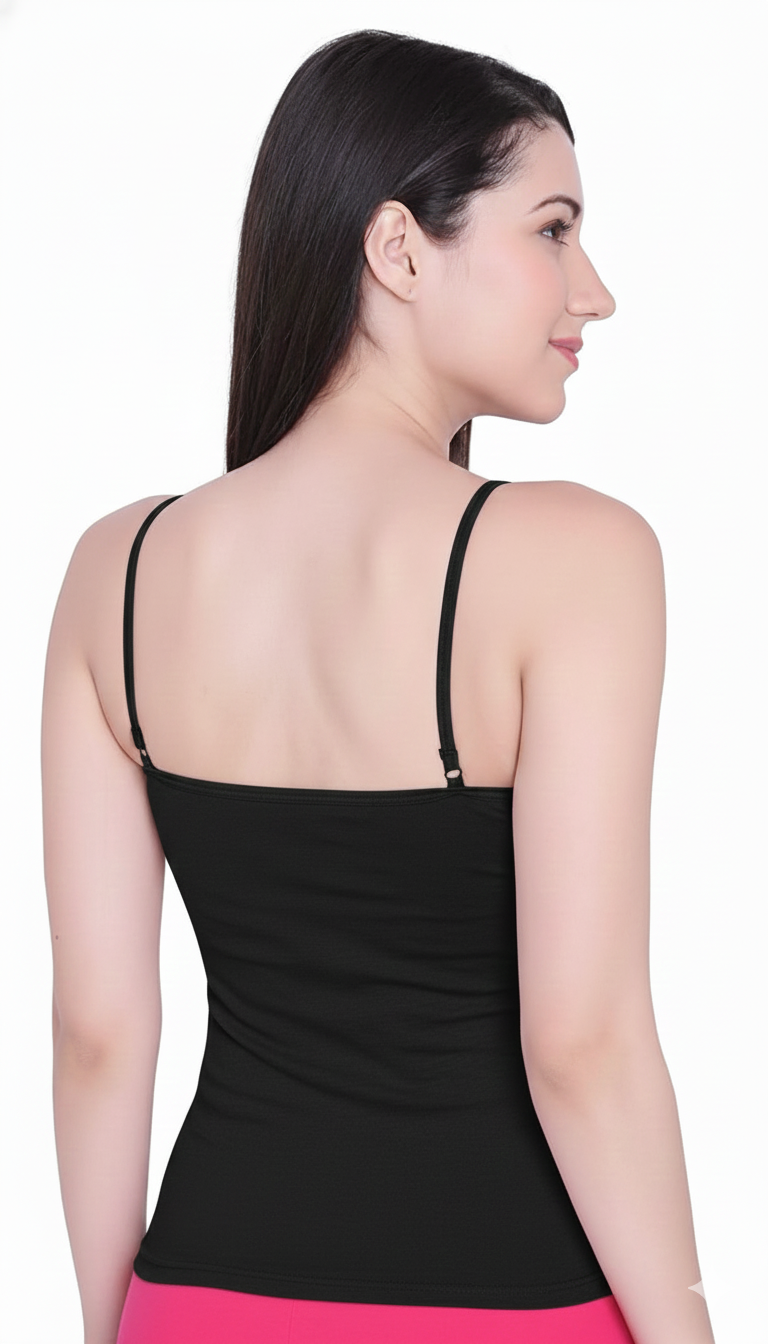
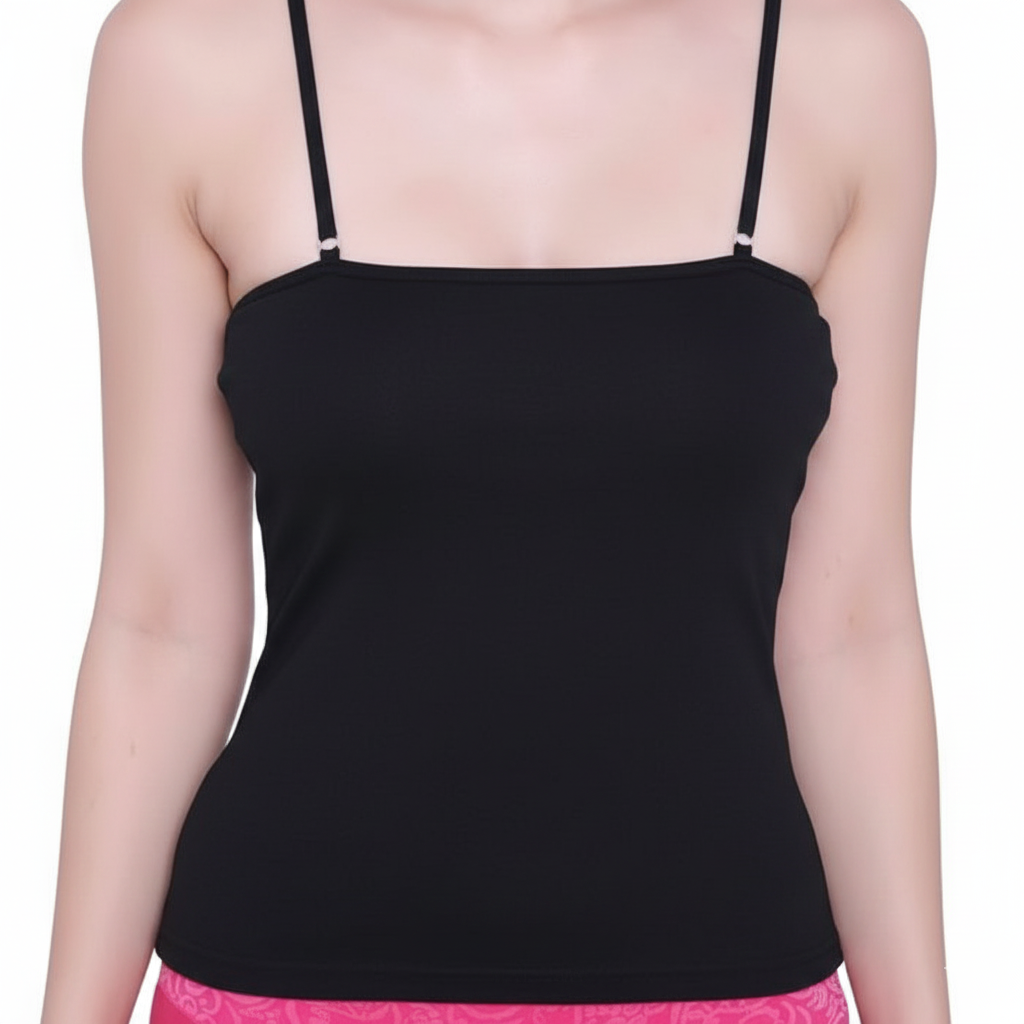
A camisole (often called a “cami”) is a sleeveless upper-body garment, typically held up by thin “spaghetti” straps. While historically designed as an undergarment, it has evolved into a versatile piece of clothing worn for fashion, comfort, and layering.
Here is a breakdown of what makes a camisole distinct and how it is used today.
1. Key Characteristics
-
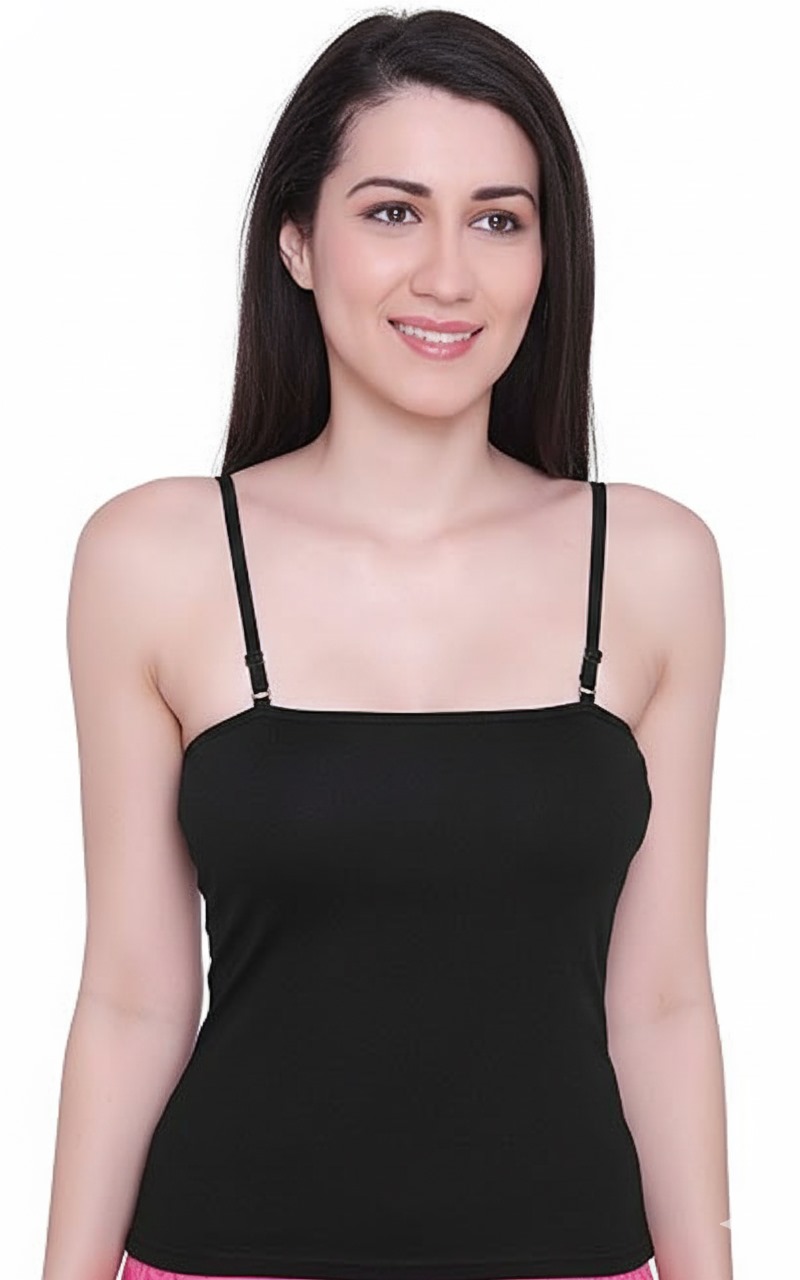
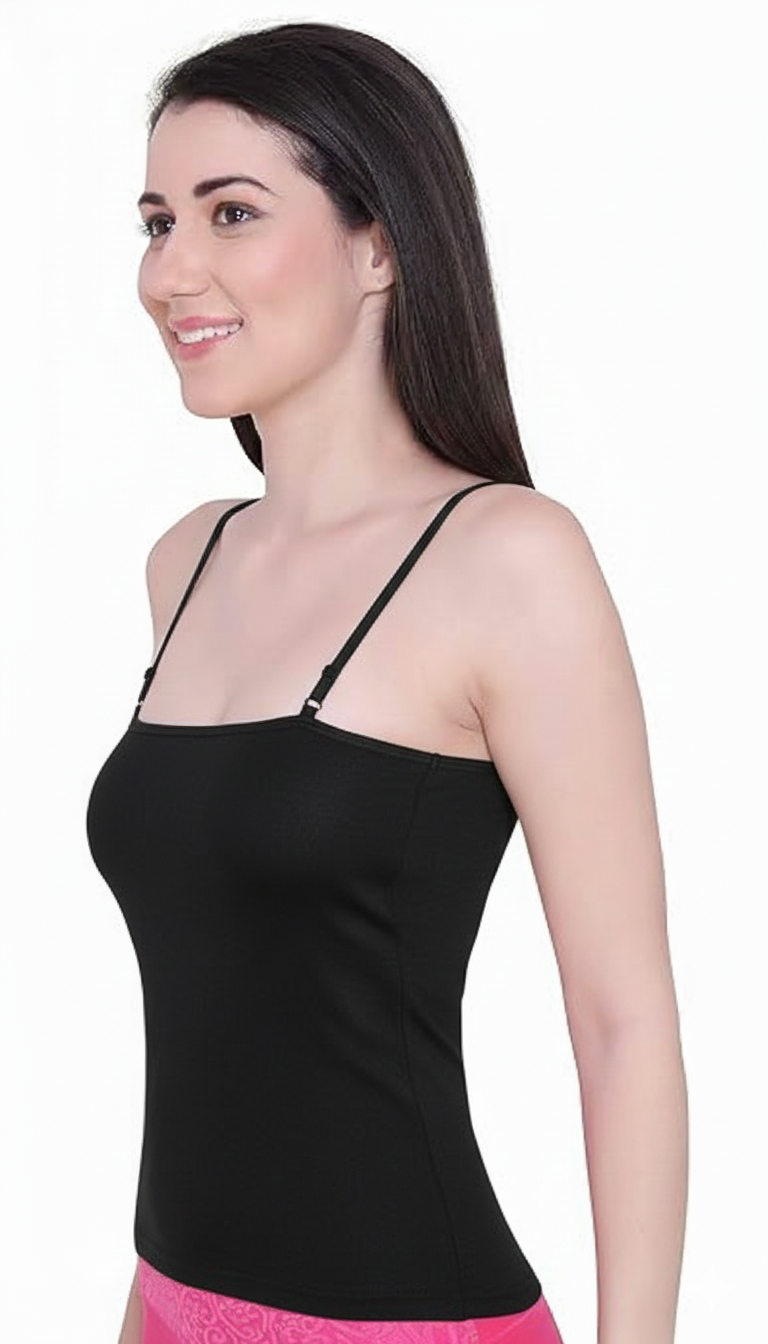
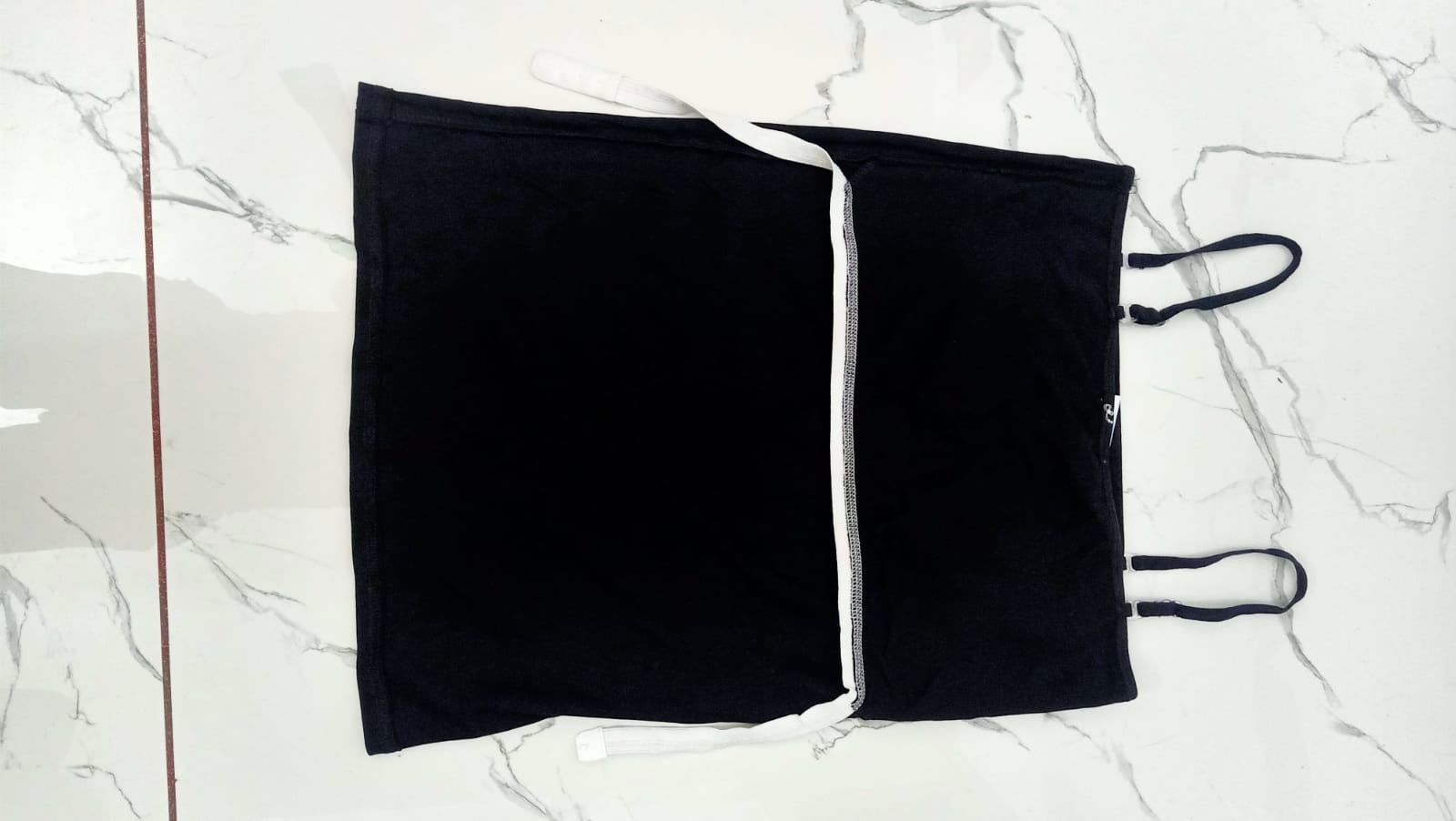
Straps: The defining feature of a camisole is its straps. Unlike tank tops which usually have wider shoulder coverage, camisoles have very thin strings (spaghetti straps), which are often adjustable.
-
Fit: They generally offer a loose or relaxed fit, hanging straight from the chest, though shapewear versions are tight and form-fitting.
-
Length: Most extend to the waist or hips, but cropped versions are also popular.
2. Common Materials
-
Silk or Satin: These are often used for lingerie, sleepwear, or dressy outerwear. They have a shiny, smooth finish.
-
Cotton: Breathable and soft, these are ideal for everyday layering or sleep.
-
Spandex/Nylon Blends: Used for “shaping” camisoles that smooth the silhouette under clothing.
-
Lace Trims: Many camisoles feature lace detailing along the neckline or hem for a feminine touch.
3. How It Is Worn
The modern camisole is a “chameleon” in a wardrobe:
-
As an Undergarment: This is the traditional use. It provides an extra layer of warmth in winter or modesty under sheer, low-cut, or loose blouses.
-
As Outerwear: In warmer weather, silk or decorative camisoles are worn as standalone tops, often paired with jeans or skirts. This was a massive trend in the 90s (the “slip dress” look) and has remained popular.
-
As Sleepwear: Due to their comfort and lack of heavy seams, they are commonly worn as pajama tops.
-
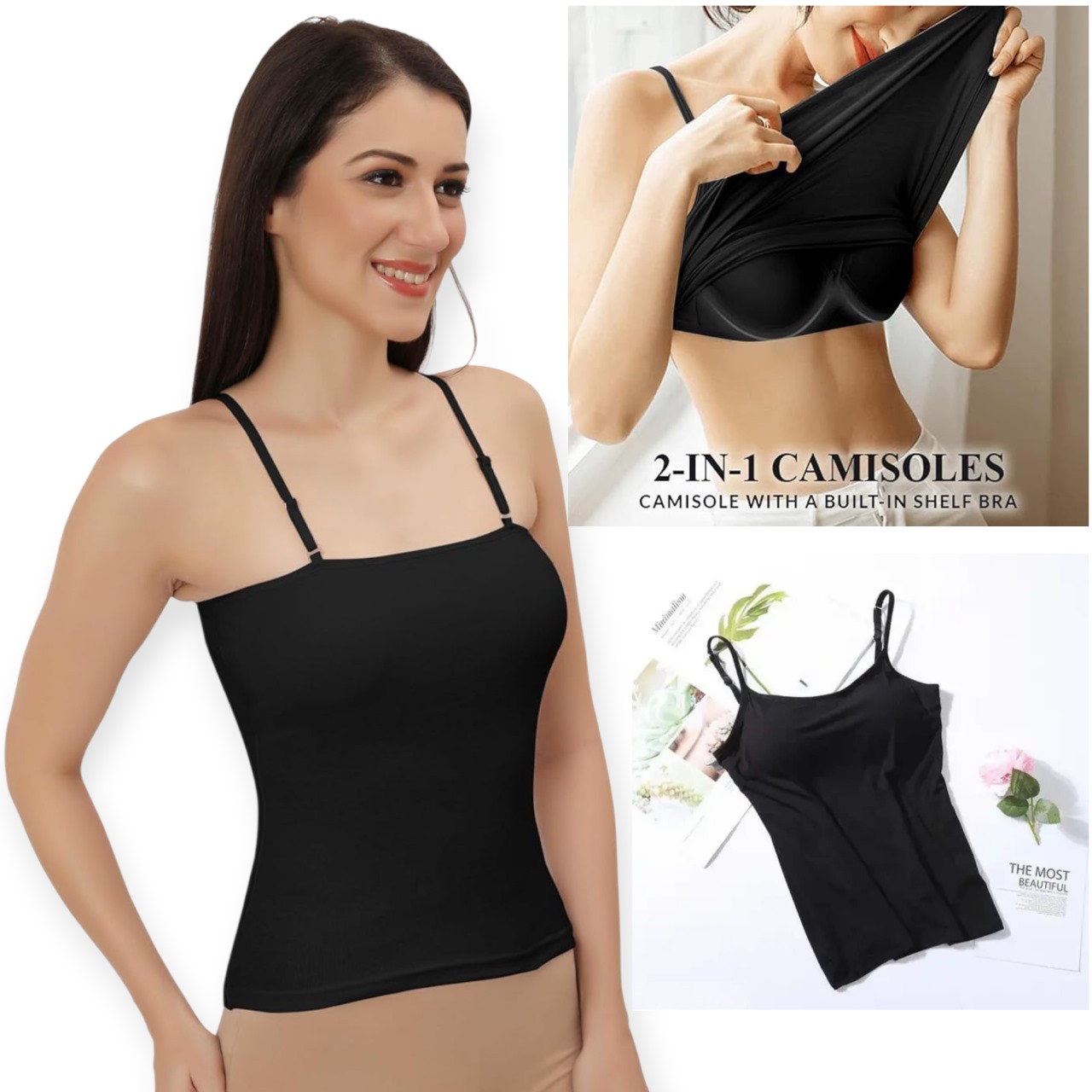
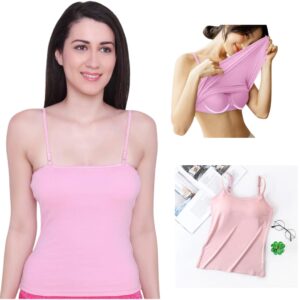
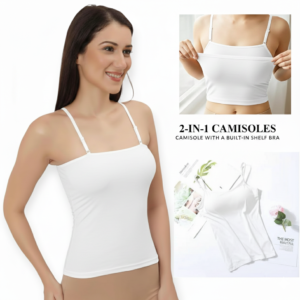
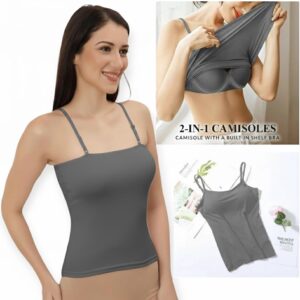
With Built-in Support: Many camisoles come with a “shelf bra” (an elastic band and double layer of fabric at the bust), allowing them to be worn without a separate bra.
Reviews
There are no reviews yet.